The thoughts and feelings shared on this blog are my own. They do not represent the views of any affiliated parties. The information provided are for entertainment and general informational purposes only. It does not constitute as professional advice. Do your own research and consult with the appropriate legal person(s) and organization(s) as required.
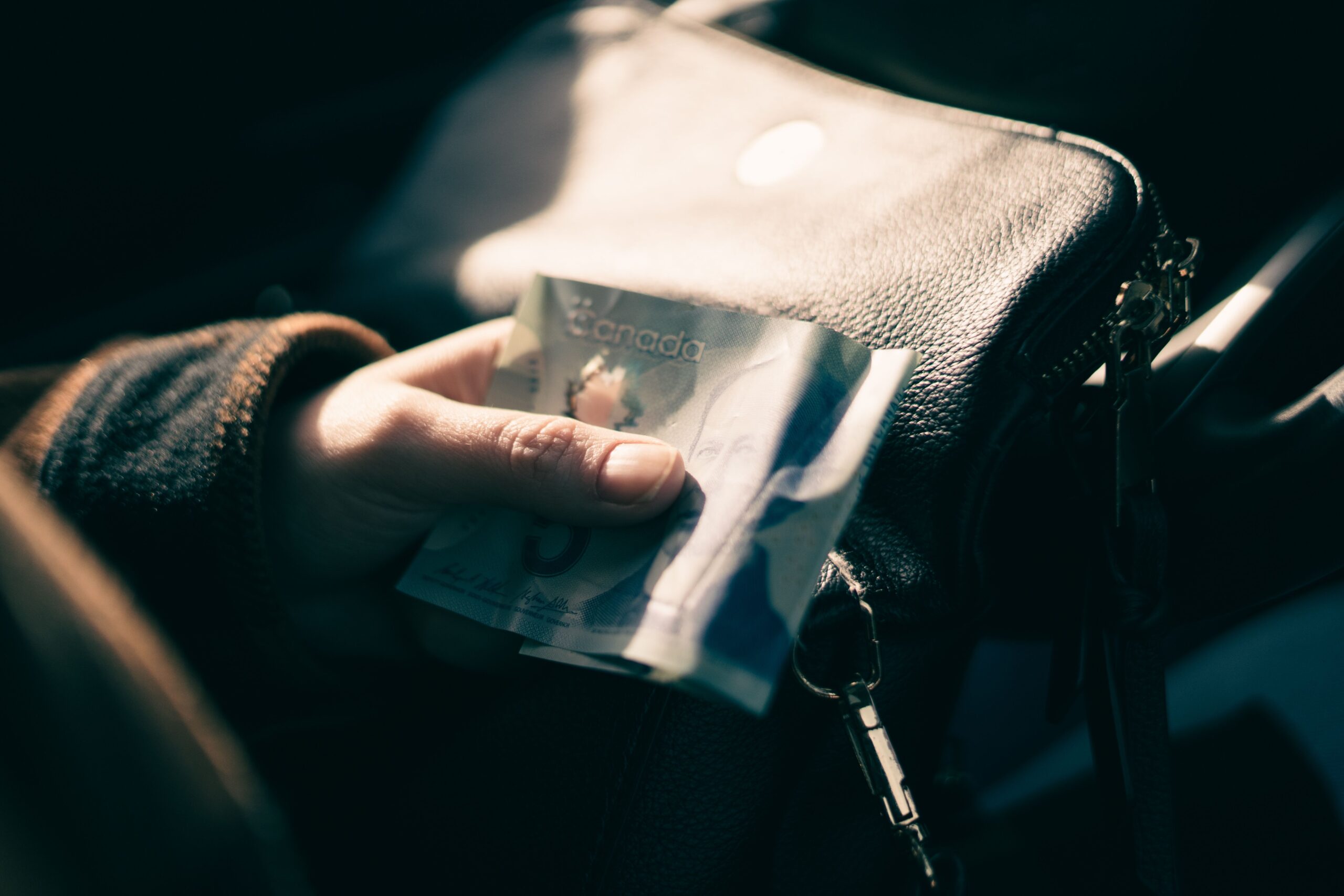
It hurts me to see this happen.
Call me overdramatic, but when I see someone I love lose a little bit of their hard earned money — it hurts. It’s because I know there are better ways to prevent any of it from happening that usually does not include an added fee. So even if it’s a few dollars or a penny, it all adds up. This goes beyond just the save more and spend less motif. The following tips, in no particular order, are the most common things I have told my friends and family to do to save more.
1. Open a NO FEE chequing account.
Yes, there is such a thing. These chequing accounts are the ones that do not charge you a monthly fee to hold any of your money in it. Most virtual and brick and mortar banks have this type of account available, so do your research to see which one will meet your needs best (beyond the no monthly fee part). Be sure to set-up any automated transactions, like direct deposits or withdrawals, before closing your previous chequing account. Some things to ask yourself when choosing which chequing account to open:
- Do they have any available ATMs near where I live and where I tend to go (ex. for work, for fun, etc.)?
- Do they get positive reviews in terms of their customer service (ex. if you need a replacement card)?
- Is most of the banking done online, in-person or is it a mix?
- If there are no monthly fees, are there any OTHER fees that I should be aware of (ex. personal cheques, e-transfers, number of transactions)?
2. Open a REGISTERED savings account before using NON-REGISTERED savings account.
A whole post could probably be written about the pros and cons between the different types of savings account, but the simplest way to put it is that REGISTERED savings accounts are government recognized accounts. They have the added benefit of allowing your money to grow tax free and/or defer how much tax you pay in a given year unlike NON-REGISTERED accounts. The most basic ones, regardless of circumstances, are the Tax-Free Savings Account (TFSA) and Registered Retirement Savings Plan (RRSP). Additional ones that some people may consider also opening include First Home Savings Account (FHSA, if you are considering buying a home), Registered Education Savings Plan (RESP, to save for a child’s post-secondary education), and the Registered Disability Savings Plan (RDSP, if you are a person with a disability). If you are not sure whether you should open the TFSA or RRSP first, consider the following:
- Do you make more than $58 523 annually through all your sources of income (or more than the lowest tax bracket in your province)?
- Do you have a registered pension plan through your work place?
- Are you able to keep the money in the account for more than a year?
3. Invest your money based on your risk tolerance.
Most of the time when people hear the word investment, their mind tends to go to high risk stocks where people have been reported to lose thousands. However, there are more safe options like bonds, guaranteed investment certificates (GICs) and exchange-traded funds (ETFs) where the risk of loss is significantly lower. Do consult a financial person to decide what is best for you at this point in time.
4. Automate your savings.
Most of the time I know those who are in the lower income tax bracket have told me, “But I don’t have enough”. So I always tell them it doesn’t have to be a lot, but the goal is to just start. Pay yourself first. Like those old infomercials — $1.00 can go a long way for your self and your financial health. Imagine if you put $1.00 a day into a registered savings account. In one year that can be $365.00 (or $366.00 if it is a leap year). Then in five years you would have saved $1 825.00. Then in ten years you would have had $3 650.00! This doesn’t even include compound interest!
5. Use your credit cards with caution, but also use the “right credit card”.
If you are like my mom and shop every day at a department or general store of any kind, the first half of this tip applies to you. Do not just spend without knowing what money you have and without even knowing your budget. Otherwise, if you need a credit card for any reason, use the ones who gives you the most relevant benefits to you. This could include discount on gas, cash back on groceries, points for indulgences like travelling, etc. There are also no annual fee credit cards IF you need just a basic card for your spending needs. Things to remember when owning a credit card:
- pay your credit card balance on-time
- pay the full amount that is due on the statement, or at least the minimum if you are not able to afford it
- pay the credit card that has the highest interest or the highest amount owed, if you have more than one credit card
- make a point of checking your credit card routinely (ex. once a month) to check for fraudulent transactions